Modern businesses depend heavily on connected devices to collect data, automate processes and support smart operations. The management of a large number of devices across multiple locations, particularly when they expand, can be overwhelming. From software updates and monitoring of systems to security compliance and optimization Device operations require continuous attention and expertise in technical aspects. This is where a structured managed service can transform complicated processes into clear.
Organizations often begin their journey looking for Raspberry device management software that is free alternatives to cut down on expenses upfront. While these free programs can provide basic monitoring as well as remote access, they don’t provide the level of lifecycle management needed for enterprise-level deployments. Companies need more than manual controls and dashboards as their device networks grow. They require an integrated platform that can handle provisioning, security hardening, performance monitoring, as well as compliance reporting, automatically and efficiently.
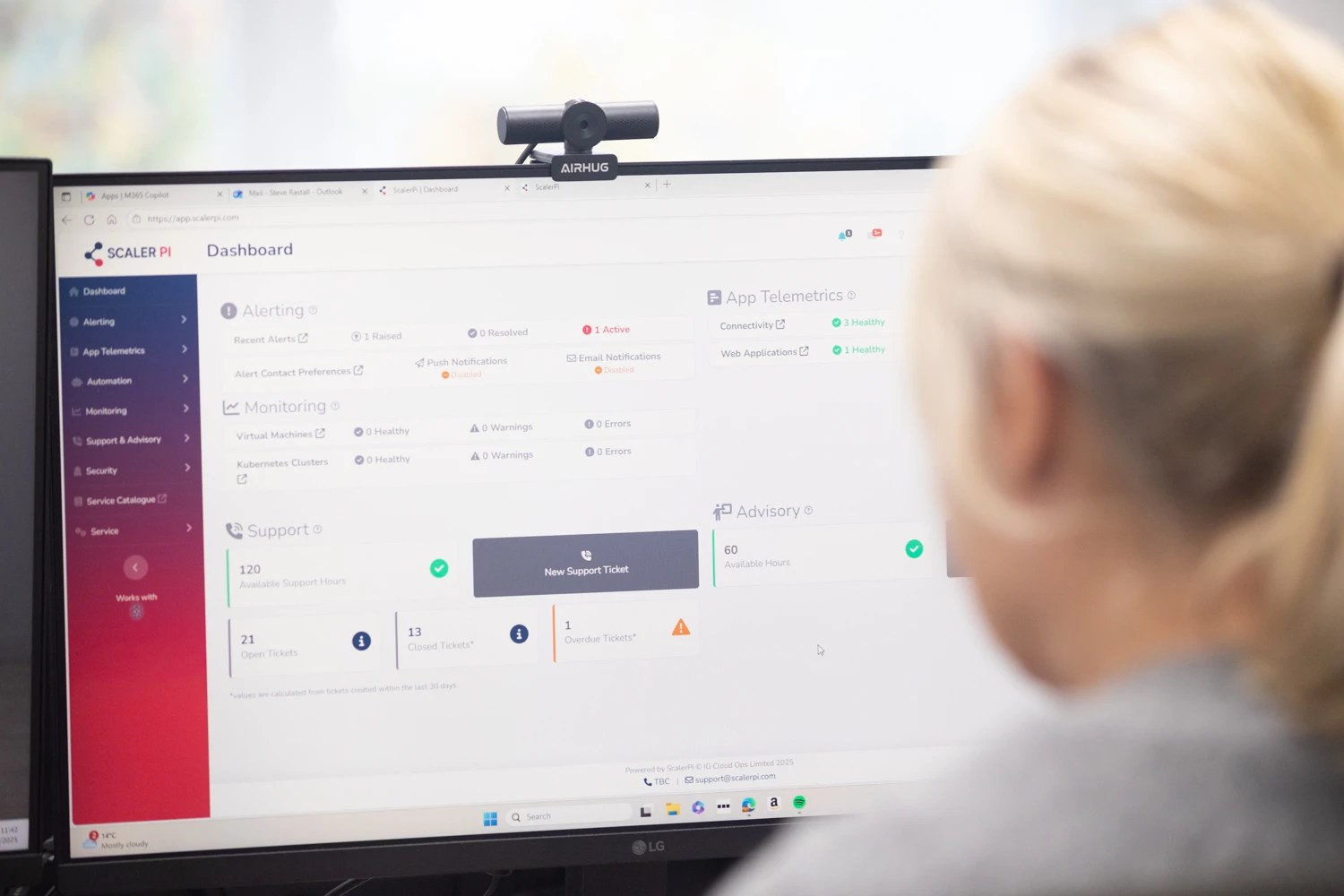
A well-managed infrastructure takes the day-to-day operational load of internal teams. Businesses can instead focus on growth and innovation, instead of troubleshooting and patching equipment and systems. Every device is able to be configured for deployment, maintenance, and configuration in a common framework that ensures stability and consistency. This operating model doesn’t just reduce downtime, it can also prevent security flaws that can be caused by faulty update or incorrect configurations.
A Partnership Model that is Scalable
IoT ecosystems that are successful are rarely built in isolation. They require intelligent architecture and continuous optimization. Working with an experienced Raspberry Pi design partner ensures that hardware selection, system architecture, and software environments are aligned with operational goals from the very beginning. Instead of treating deployment as an one-time task the partnership provides a flexible foundation that grows as the company grows.
Every managed service contract is customized to the specific needs of the client and includes device-management, hardware integration platforms as well as technical support in one operating agreement. This unifying structure makes communication easier and removes any confusion between suppliers. The company gains name-brand technical contacts, service-level agreements, and transparent reporting to keep all stakeholders informed, without adding administrative complexity.
The standardization of the provisioning and configuration process ensures uniformity in every location. Each unit is assemble, tested, and securely installed prior to deployment, ensuring consistency from day one. Continuous telemetry offers engineers real-time insights into the device’s health and stability. This helps them stop system failures from occurring and to detect irregularities before they escalate.
Operational Excellence through Continuous Management
Dependable IoT environments depend on proactive maintenance, not reactive troubleshooting. Updates and patches are managed to ensure that applications and operating systems remain secure and stable. Updates are rigorously tested prior to deployment to prevent disruptions, keeping uptime on distributed networks.
Operational workflows are also developed to comply with the requirements of compliance. If organizations have to meet ISO standards, SOC2 frameworks, or internal policies on governance, the reporting processes are aligned with regulations. This arrangement eases the burden of audits as well as improves security posture.
Performance optimization and lifecycle planning can further enhance the value managed services. Regular system reviews identify the potential for hardware upgrades, improvements in energy efficiency, as well as the balancing of workloads. Instead of waiting for devices to fail or fall out of date, infrastructure evolves strategically alongside organizational growth.
Cloud and Edge Technologies seamlessly integrated
Modern deployments require a tight integration of hardware at the edge with cloud ecosystems. Expert Azure IoT support can help companies connect their devices securely to cloud platforms, while also optimizing the data pipelines, analytics workflows and automation capabilities. This synergy helps improve decision making and increased operational flexibility.
Professional IoT consulting also ensures that the monitoring protocols, security protocols and the framework for data governance function in a coordinated manner. Engineers are available 24/7 to observe the efficiency of the systems and react to irregularities in real time before they can disrupt operations. The capability to increase support options lets organizations expand their operations with confidence knowing the technical know-how of engineers will grow in tandem with the device fleet.
The goal is to make edge systems advanced appear as if it were effortless. Scaler PI helps make edge technology more easy to use through a combination of practical hardware expertise with modern cloud innovation making it a simpler environment where data, devices, and operations work together seamlessly.
Manage Device Infrastructure Smarter
Managed services are an all-in-one source of accountability for design, hardware and monitoring. Budgeting is more predictable and less surprise, while automated updates and constant monitoring reduce the risk of operating. Companies can feel secure knowing their infrastructure is secure, compliant, and always functioning at its peak.
The need for robust operational frameworks is increasing as IoT ecosystems grow. Managed services that are encompassing assures that the device networks are efficient, secure and future-ready, allowing companies to be innovative without letting infrastructure management slow them down.